Dating in Dallas: old money, new energy, and why matchmakers can't keep up
Dallas has the demand, the demographics, and the disposable income for great dating. What it doesn't have is a single app that understands the city. We break down every neighborhood and why matchmakers are booked solid.
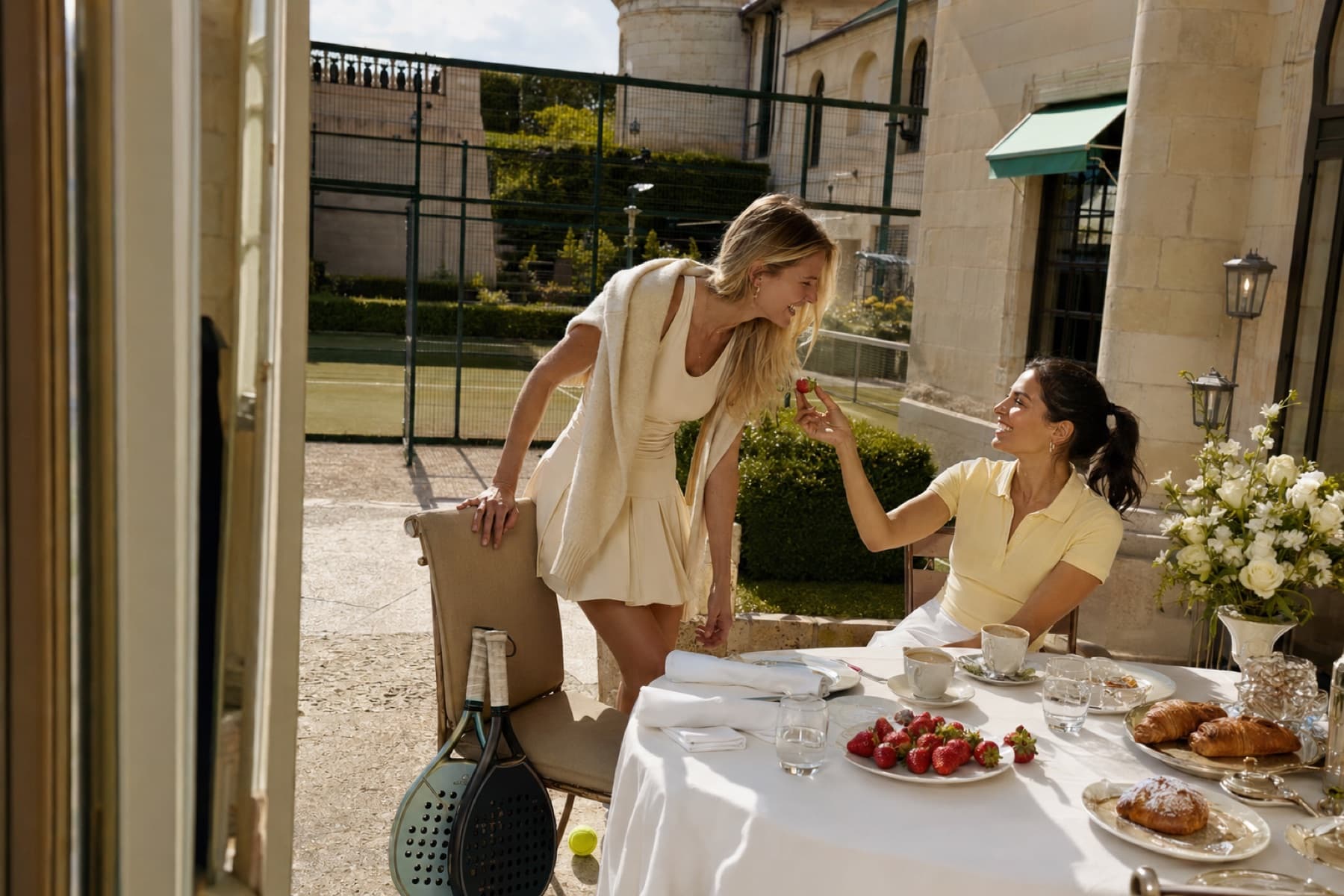
Dallas is the city where dating apps go to die. Not because people here don't date. They date constantly, aggressively, with a level of social energy that rivals anywhere in the country. It's because the apps were built for cities that work differently, and Dallas works on its own terms entirely.
Searches for "professional matchmaker near me" have surged throughout 2026, and Dallas is leading that trend. The top matchmaking firms in the Metroplex charge $5,000 to $25,000 per engagement and they're booked months out. Tinder and Bumble and Hinge all have millions of users in the DFW area, and yet the people with the most to offer are increasingly bypassing them entirely, writing five-figure checks to a human being who will find them a partner the old-fashioned way.
That disconnect tells you everything you need to know about what's broken in Dallas dating. And what needs to be built to fix it.
Why Dallas is different from every other dating market
Dallas runs on social infrastructure. Country clubs, church communities, alumni networks, charity galas, professional organizations. In Austin, you meet someone at a bar. In Houston, you meet someone through work or through the sprawling international community. In Dallas, you meet someone because your friend's wife went to SMU with their sister, and she's hosting a dinner party at her house in Highland Park on Saturday. That's how it works. Or at least, that's how it's always worked.
The problem is that this social infrastructure excludes people who didn't grow up here or marry into it. Transplants to Dallas experience a jarring reality: the city is extraordinarily friendly on the surface and almost impossible to crack socially underneath. Everyone smiles. Everyone is polite. Everyone is happy to chat at a bar in Uptown. But the real social circles, the ones where people actually form relationships, operate on layers of shared history and mutual connections that take years to build.
This is why dating apps became popular in Dallas faster than the city's culture would suggest. Apps bypass the social gatekeeping. You don't need a Highland Park connection to match with someone from Highland Park on Hinge. The problem is that the apps themselves don't understand Dallas's social dynamics, so the experience feels hollow. You match, you text, you meet for drinks on McKinney Avenue, and the conversation has the surface-level pleasantness that Dallas perfected decades ago without the depth that would make a second date worth the drive.
Sixty-four percent of daters nationally want more emotional honesty. Sixty percent crave clearer communication about intentions. In Dallas, those numbers feel even more acute because the culture is built on politeness that can mask genuine connection. People are nice. They're not always honest. And when you're trying to build something real with someone, nice without honest is just pleasant emptiness.
Highland Park: generational wealth and the matchmaker's favorite zip code
Highland Park isn't a neighborhood. It's an independent city within Dallas, with its own police department, its own schools, and its own gravitational pull. Median sale prices run between roughly $2 million and $4 million depending on the month, in a market thin enough that a handful of sales moves the number. The residents include multi-generational Texas families, hedge fund managers, surgeons, law firm partners, and the occasional retired pro athlete. The social scene revolves around Highland Park Village, the country clubs (Dallas Country Club, Brookhaven), and the private school circuit.
Dating someone from Highland Park is dating a social ecosystem as much as a person. The families know each other. The dinner parties overlap. The expectations around presentation, career stability, and social fluency are higher than almost anywhere else in Texas. This is the zip code where matchmakers do their best business because the people here have the money to pay $15,000 to $25,000 for a curated search and the standards that make a curated search feel necessary.
What the matchmakers are selling is what dating apps fail to deliver in Highland Park: verification that the person is who they say they are, and alignment on the things that actually matter for long-term compatibility. When a Highland Park professional pays a matchmaker, they're buying confidence that the person they'll meet on Saturday has been vetted for financial stability, social compatibility, career caliber, and genuine relationship intent. That service is worth $20,000 to someone who values their time at $500 an hour and doesn't want to waste six months on apps that can't deliver the same guarantee.
The problem with matchmakers is scale. Even the best firms in Dallas can only manage 30 to 50 active clients at a time. The demand vastly outstrips the supply, which is why the waitlists stretch for months and the prices keep climbing. A technology platform that could deliver matchmaker-level verification and intention clarity at a fraction of the price would unlock the market that's currently trapped between "generic dating apps that don't work here" and "matchmakers I can't afford or can't access."
Uptown: young money on McKinney Avenue
Uptown is Dallas's Brickell. It's the neighborhood where 25-to-35-year-old professionals with new money and big ambitions rent apartments, go to the gym, and fill McKinney Avenue bars every Thursday through Saturday. The energy is high. The dress code is high. The drinks are not cheap.
The Uptown dating scene is the most app-friendly in Dallas because the demographics align with what apps are designed for: young, dense, and social. Hinge and Bumble have their highest engagement rates in the DFW area within the Uptown zip codes. The bars along McKinney Avenue function as physical extensions of dating apps. You'll see people on actual dates at nearly every restaurant on a Friday night, which creates a social proof loop: seeing other people on dates normalizes dating, which makes more people open to going on dates.
The Standard Pour is Uptown's best first-date bar. The cocktail list is extensive, the interior is handsome without being intimidating, and the booths allow enough privacy for real conversation while the bar area lets you retreat to something more casual if the date isn't working. Happiest Hour has the best patio on McKinney Avenue, with a rooftop that fills up by 6 PM on Fridays. It's more of a group scene than a date spot, but it's one of the best places to meet people organically in Uptown.
The Uptown trap, and it is a trap, is that the social scene can feel like a treadmill. The same bars, the same people, the same conversations about what you do and where you live. People who've lived in Uptown for more than two years start gravitating to Bishop Arts or Henderson Avenue or Deep Ellum for dates because the Uptown circuit starts to feel like a rerun. If you just moved to Dallas and you're under 35, Uptown is where you start. But if you've been here a while, you know the scene has a ceiling.
Bishop Arts: where Dallas gets interesting
Bishop Arts District in North Oak Cliff is the neighborhood that proves Dallas isn't just steakhouses and status symbols. It's walkable. It's eclectic. The restaurants are owner-operated. The galleries show local artists. The crowd includes creatives, educators, entrepreneurs, and professionals who chose this neighborhood specifically because it doesn't feel like Uptown.
For dating purposes, Bishop Arts is the antidote to everything that makes Dallas dating feel surface-level. The venues are intimate rather than grand. The conversations skew toward "what are you passionate about" rather than "where do you work." The neighborhood self-selects for people who value authenticity, which means the dating pool here is smaller but significantly more likely to produce genuine connections.
Hattie's is the restaurant that defines Bishop Arts dating. Southern-inspired food, a gorgeous patio with string lights, and a vibe that says "I know Dallas beyond the obvious." Eno's Pizza Tavern, Oddfellows, and Lockhart Smokehouse anchor the casual end. A first date that starts with a walk through the neighborhood, stops at a gallery, and lands at Hattie's for dinner is the kind of evening that makes someone want a second date because the experience itself was memorable, not because you spent a lot of money.
The challenge with Bishop Arts is distance. Dallas is a car city, and Bishop Arts sits south of downtown in a location that requires intentional effort to reach from Uptown, Highland Park, or the northern suburbs. Suggesting a Bishop Arts date to someone who lives in Plano is asking them to drive 35 minutes, which means you'd better be interesting enough to justify the trip. But that friction is also a filter. The people who agree to meet in Bishop Arts are the ones who are genuinely interested, not the ones who just needed something to do on a Tuesday night.
Turtle Creek: quiet wealth that doesn't need to prove anything
Turtle Creek runs along a corridor between Uptown and Highland Park, lined with luxury high-rises, old mansions, and a manicured park trail that might be the most beautiful walking path in Dallas. The residents are established. Forties, fifties, and older. Often divorced. Usually wealthy in the understated way that old Dallas money prefers. Not flashy. Not loud. Just extremely comfortable.
This is the demographic that matchmakers covet because they're the highest-value clients: established, serious about finding a partner, willing to pay for quality, and completely disenchanted with dating apps. A 48-year-old Turtle Creek resident who sold her company, went through a divorce, and wants to meet someone with similar life experience is not going to download Bumble. The swipe interface alone is a nonstarter. The lack of income verification means she can't distinguish between the CEO he claims to be and the person who put "entrepreneur" in their bio because it sounds better than "between jobs."
The Mansion on Turtle Creek remains Dallas's most iconic restaurant for a reason: it's the kind of place where a date feels like an event. The Mansion Bar is less formal and works well for a first meeting where you want the setting to do some of the talking. Nearby, the Rosewood Mansion's outdoor terrace and the lobby lounge at The Crescent Hotel offer similar energy: wealthy, quiet, and oriented toward real conversation rather than scene-making.
Turtle Creek represents the upper end of what Dallas dating could be. The people are interesting, available, and have the resources to build the lives they want with a partner. What they lack is a platform that meets their standards. Matchmakers serve some of them. Social introductions serve others. But there's a vast middle: people who want the curation of a matchmaker at the accessibility and price point of an app. That gap is exactly what Plus is designed to fill.
The steakhouse hierarchy and what it signals
You cannot write about dating in Dallas without addressing steakhouses. The city has more high-end steakhouses per capita than any metro in America, and the one you choose for a date communicates something specific.
Town Hearth is the see-and-be-seen pick. Massive, dramatic, packed with Dallas's social set on weekends. Taking someone to Town Hearth signals confidence, social awareness, and a willingness to be in the mix. It's not quiet. It's not intimate. It's an experience, and it works best for dates where both people already know they're interested and want an evening that matches their energy.
Pappas Bros is the classic power dinner. Dark wood, proper tablecloths, serious cuts of meat. Taking a date to Pappas Bros says you're established and traditional in a way that Dallas respects. It's a safe choice in the best sense: nobody has ever had a bad time at Pappas Bros, and the steak speaks for itself.
Pecan Lodge is the wild card. Technically a barbecue joint, not a steakhouse, but it belongs in this conversation because taking someone to Pecan Lodge in Deep Ellum instead of a white-tablecloth steakhouse in Uptown is a deliberate choice that says "I'm not performing Dallas expectations, I'm showing you what I actually enjoy." The brisket is transcendent. The sides are perfect. The environment is casual, loud, and genuinely fun. If you want to know whether someone you're dating is more interested in authenticity or appearances, suggest Pecan Lodge and observe their reaction.
What dating apps get wrong about Dallas
Every major dating app treats Dallas as a generic large metro. Plug in the population, run the matching algorithm, sell the same premium tiers. The problem is that Dallas's dating dynamics are driven by social context that algorithms can't capture.
Verification matters more in Dallas than in almost any other city. In a culture where social status and financial stability are central to how people evaluate potential partners, the absence of verification on Tinder, Bumble, and Hinge is a critical failure. When Pew Research Center finds roughly two-thirds of women aged 18 to 50 have experienced harassment on these platforms, and Dallas's social culture already makes women cautious about who they invest time in, the lack of identity and income verification isn't just a missing feature. It's the reason the matchmaker industry is booming.
Intention clarity matters here too. Dallas dating has a well-known pattern: people who are perfectly pleasant on dates but impossible to pin down on what they want. The social culture prioritizes agreeableness, which means that "going with the flow" can extend for months without either person stating what they're actually looking for. Apps that force users to declare their intentions upfront, not just "looking for a relationship" from a dropdown menu but genuine transparency about lifestyle expectations, financial dynamics, and relationship structure, would solve one of Dallas's core dating frustrations.
Monarch is the rooftop bar in downtown Dallas that represents everything this city's dating scene could be: polished, ambitious, stunning views, and worth the trip. On a warm Saturday night, the rooftop fills with the kind of people who'd be excellent Plus members: established, attractive, intentional, and tired of the same old circuit. If you're in Dallas and wondering whether there's an audience for what we're building, spend an hour at Monarch. You'll see it on every face.
Why Plus belongs in Dallas
Dallas has the highest concentration of matchmaker demand in Texas. The average matchmaker engagement costs $5,000 to $25,000, and the best firms are fully booked. This tells you two things: there's massive demand for curated, verified dating among people who can afford it, and there's no technology solution serving that demand at scale.
Plus was built for markets that look exactly like this. Photo and income verification replaces the matchmaker's vetting process. Upfront intention declaration replaces the months of pleasant ambiguity that plague Dallas dating. A pricing model of $49.99 to $99.99 per month replaces the $15,000 matchmaker retainer. And a free tier for Plus members ensures that the platform has the active, engaged user base that makes the established members' subscriptions worthwhile.
We've seen this model work in Miami and Houston, two cities with different dating cultures but similar underlying demand for verified, intentional connections. Dallas is next on the roadmap because the market signals are overwhelming: high incomes, high standards, high frustration with existing options, and a willingness to pay for something better.
Join the Dallas waitlist. When we launch, waitlist members get priority access. If you've been considering a matchmaker, try Plus first. The verification is comparable. The cost isn't.
Date spots worth knowing beyond the neighborhoods
The Joule Hotel in downtown Dallas has a rooftop pool that hangs over the edge of the building and a lobby bar scene that draws an interesting crowd on weeknights. It's the kind of venue where a date feels elevated without being stiff. The design alone is a conversation starter.
White Rock Lake is Dallas's answer to Austin's Barton Springs: a natural setting in the middle of the city that produces some of the best dates available. A walk or bike ride around the 9.3-mile trail, followed by brunch at one of the Lakewood restaurants, is the daytime date that every Dallas dating guide should recommend but most don't because it's not a restaurant and can't be hashtagged as easily.
The Dallas Arboretum, particularly during the autumn pumpkin festival or the spring flower displays, is a first-date option that works across every demographic. It's beautiful, it's walkable, it's $15 per person, and it provides a natural backdrop for conversation without the pressure of sitting across a table. The best dates in Dallas consistently happen in environments that give you something to look at and talk about beyond each other, because the social culture here makes face-to-face vulnerability harder than it is in more casual cities.
For late-night dates with established chemistry, The Midnight Rambler is a speakeasy-style bar beneath The Joule Hotel with craft cocktails, a moody atmosphere, and live music on weekends. It's the date venue for people who've already had a great dinner and aren't ready for the evening to end. The bartenders are genuinely talented, and the drink menu rewards curiosity.
Frequently asked questions
Is Dallas a good city for singles?
Dallas is an excellent city for singles who understand how the social scene works. The dating pool is large, affluent, and active. The challenge is breaking into social circles that often run on existing connections and shared history. Dating apps help bypass that gatekeeping, but the best results come from combining apps with in-person social activity: charity events, fitness communities, church groups, and alumni networks.
Why are matchmakers so popular in Dallas?
Dallas's dating culture values verification and social credibility that dating apps don't provide. Matchmakers offer vetted introductions with income verification, background checks, and personality assessment, services that align with what Dallas daters actually want. The matchmaker industry charges $5,000 to $25,000 per engagement because the demand outstrips supply. Plus provides comparable verification, currently free, at a planned $49.99 to $99.99 per month.
What is the best dating app for Dallas?
Hinge has the largest active user base for serious dating in DFW. Bumble is strong in Uptown among the 25-to-35 demographic. For people who want the verification and intention clarity that matchmakers provide but at an accessible price point, Plus is coming to Dallas soon. The city is one of our highest-demand waitlist markets.
Where should I take a first date in Dallas?
Hattie's in Bishop Arts for interesting food and a walkable neighborhood. The Standard Pour in Uptown for cocktails with a polished vibe. Pecan Lodge in Deep Ellum if you want to keep it casual and authentic. The Mansion Bar on Turtle Creek if you want to make an impression. White Rock Lake for a daytime walk-and-brunch date that costs almost nothing and works better than most expensive restaurants.
How is dating in Dallas different from Houston and Austin?
Dallas is more social-circle-dependent and status-conscious than either Houston or Austin. The dating culture here puts a premium on presentation, career achievement, and social fluency. Houston is more diverse and laid-back. Austin is more casual and creativity-oriented. Dallas has the highest demand for matchmaking services in Texas, which reflects both the city's high standards and the failure of existing dating apps to meet them.
Ready to get started?
Know someone who'd love this? Earn $5–$12/month per referral
Successful and generous? See why Plus is worth it
More reading → Advice from the Plus blog