Dating profile photos: what actually gets you matched
Your first photo does about eighty percent of the work and most people waste it. Here's what to lead with, what to cut, and how many you actually need.
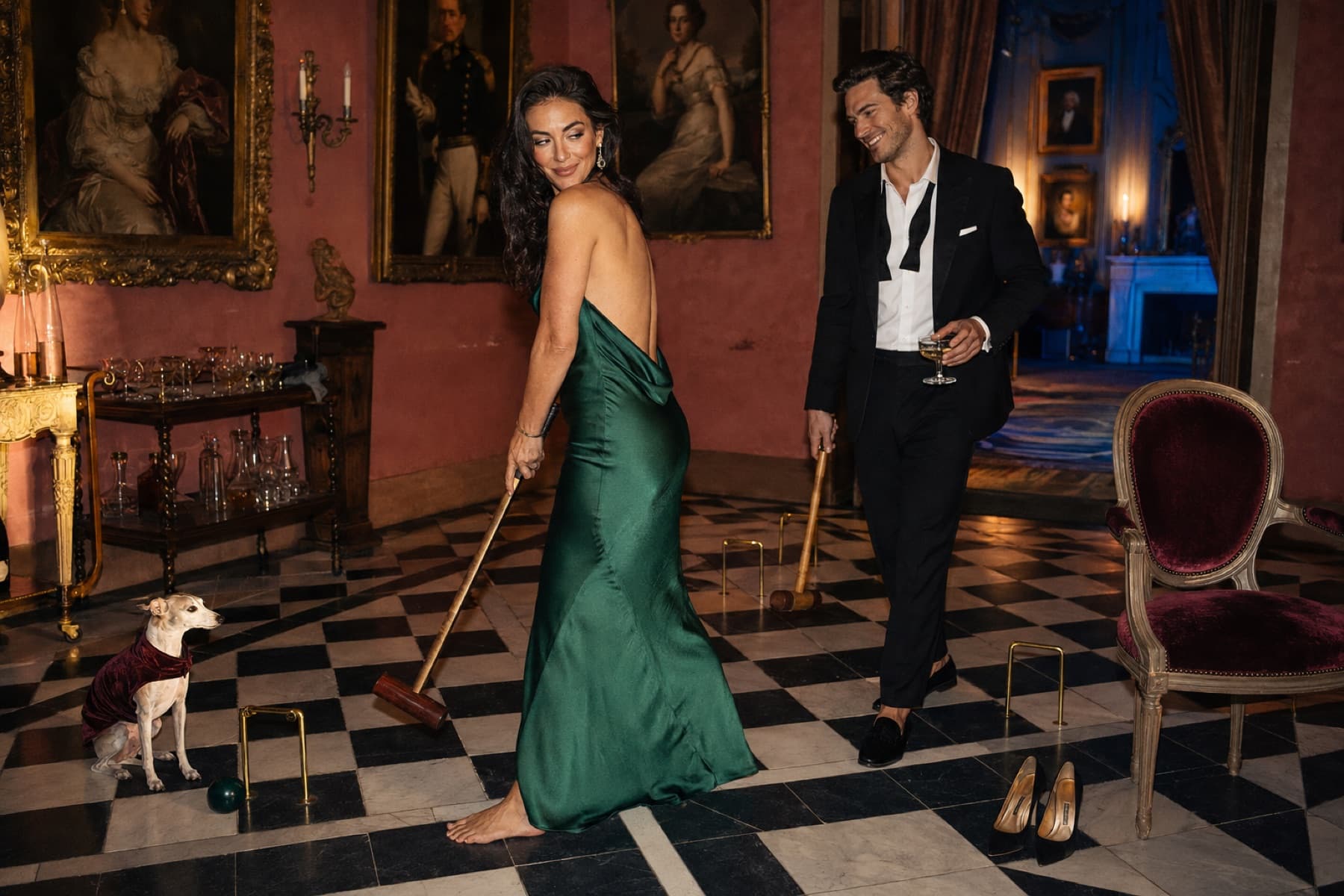
Your first photo is doing most of the work, and almost nobody treats it that way.
People agonise over the bio and then lead with a group shot taken at a wedding in 2022 where they're squinting. The bio is what convinces someone who has already stopped scrolling. The first photo is what makes them stop, and if it doesn't, nothing else on the profile ever gets read.
This is the practical version. What to lead with, what to cut, and how many you need.
The first photo
One person, clearly you, face visible, shot from roughly chest up.
That's it. No group, no sunglasses, no distance shot where you're a figure against a landscape. The single job of this photo is that a stranger can see your face and decide they'd like to see more.
The most common failure we hear about is the group shot in position one. It creates an immediate puzzle — which one are you — and puzzles at that stage don't get solved, they get scrolled past. The second most common is the sunglasses photo, which removes the part of your face people actually read.
Good light matters more than a good camera. Outdoors in shade, or facing a window, will beat an expensive camera indoors under a ceiling light every time.
How many, and in what order
Between four and six. Fewer than four reads as low effort or as someone with something to hide. More than six is diminishing, and past eight you're giving people reasons to say no.
A structure that works:
One. Clear face, alone, good light.
Two. Full length. People look for this, and its absence is conspicuous. Leaving it out doesn't hide anything, it just makes people assume something worse.
Three. You doing something you actually do. Not a staged hobby. The test is whether you did it last month.
Four. A social photo where you're visibly enjoying company. This is where a group shot belongs.
Five and six. Optional. Somewhere you travelled, something you made, an animal that belongs to you.
What to cut
Every photo more than two years old. The gap between profile and person is the most common complaint in online dating, and it costs you at the point where it's most expensive: in person, twenty minutes in.
Mirror selfies in bathrooms. There's nothing morally wrong with them and they underperform consistently.
Photos with an ex cropped out. Everyone can see the disembodied arm.
Heavy filters. They read as concealment even when they're just habit.
More than one photo with the same expression in the same location. Six photos from one afternoon is one photo.
Car selfies. Ubiquitous, unflattering lighting, and they say nothing.
The specific mistakes each side makes
These are different and both are common.
Men under-shoot. Four blurry photos taken by nobody in particular, no full-length, nothing showing them with other people. The single highest-return action for most men is asking a friend to take fifteen minutes of photos in decent light. Not professional shots — just competent ones.
Women over-curate. Every photo posed, filtered, and shot from the same flattering angle, which produces a profile that's technically excellent and reads as a brand rather than a person. The photo that generates the most genuine conversation is usually the least polished one.
The underlying principle is the same for both: you're trying to look like someone it would be pleasant to have dinner with, not like a headshot or a campaign.
What people actually look for
In rough order: what you look like, whether you seem happy, whether you seem like you have a life, and whether the photos are consistent with each other.
That last one matters more than people realise. Six photos that look like six different people creates unease, even if each is fine individually. Consistency reads as honesty.
Smiling with teeth outperforms not smiling, reliably and across every demographic anyone has measured. This is unglamorous advice and it is very robustly true.
The verification question
Increasingly the photos aren't the whole problem. Whether they're of you is.
Generated faces are now good enough that you can't identify them by looking, which is why photo verification stopped being a nice-to-have. On apps where it's optional, a badge tells you about the minority who bothered and nothing about everyone else.
Practically: verify yourself if the option exists. It measurably improves how people respond, because it removes a doubt they were carrying whether or not they articulated it. We made the fuller argument in why verification matters more than matches.
What each app does with your photos
The same set performs differently depending on where you put it, and most people never adjust.
On a swipe-first app, photo one is effectively the entire profile. Decisions happen in under a second and nothing you wrote is read before the swipe. Optimise ruthlessly for that single frame.
On a prompt-led app the photos are buying you attention rather than a decision. A merely decent picture plus a genuinely funny answer will beat an excellent picture with nothing under it, because the mechanic makes people read before they act.
The practical consequence: if you're running both, your ordering probably shouldn't be identical, and the profile that underperforms on one may be fine on the other.
Testing rather than guessing
Nobody can judge their own photos. Everybody thinks they can.
The cheapest real test is to show six photos to a friend of the gender you're dating and ask which one they'd lead with. They'll pick something you'd have put fourth. They're usually right, because they're evaluating it the way a stranger will rather than the way you remember the day.
The second test is rotation. Change your first photo, leave it two weeks, see what happens to your match rate. Most people never do this and run the same first photo for years.
How this interacts with the written profile
Photos get you the two seconds. The writing converts them.
On an app like Hinge, where liking a specific prompt is the mechanic, a funny or specific answer can carry a merely decent photo. On a swipe-first app it can't, because nobody reads before deciding. That's the real difference between the two formats, and it means the same profile performs differently depending on where you put it. We covered the writing side in how to write a dating profile that works, and the opening message in what to say in a first message.
The photo nobody takes and everybody responds to
Somebody else photographing you while you're mid-activity and not looking at the camera.
It's the hardest one to get because it requires another person and a moment you didn't plan, and it consistently outperforms everything else in the set. The reason is simple: it's the only kind of photo that can't be self-produced, so it reads as evidence rather than as presentation.
If you get one good candid this year, lead with it and move the posed shot to position two.
The short version
Lead with a clear, recent, solo photo in good light. Include a full-length one. Show one real activity and one social moment. Cut anything older than two years, anything with sunglasses, and anything where a stranger has to work out which person is you.
Four to six total. Verify if you can. Then stop optimising and go and message someone.
Create a free profile on Plus.
Frequently asked questions
How many photos should a dating profile have?
Four to six. Fewer than four reads as low effort or as concealment. More than six is diminishing, and past eight you're mostly giving people additional reasons to decide against you.
What should your first dating photo be?
A clear, recent, solo shot of your face from roughly chest up, in good light. No group photos, no sunglasses, no distance shots. Its only job is to let a stranger see your face and decide they want to see more.
Do you need a full-length photo?
Yes. People actively look for one and its absence is conspicuous. Leaving it out doesn't conceal anything — it just prompts people to assume something less flattering than the truth.
Do professional photos help or hurt?
Competent beats professional. Heavily produced photos read as a brand rather than a person, and the shot that generates the most real conversation is usually the least polished one. A friend with fifteen minutes and good light outperforms a studio session.
How old is too old for a profile photo?
Two years. The gap between the profile and the person is the most common complaint in online dating, and it surfaces at the worst possible moment — in person, twenty minutes into a first meeting. If you're timing a refresh, do it in December: new photos before Dating Sunday get a fresh distribution going into the busiest stretch of the year.
Does photo verification actually help?
It does, because generated faces are now good enough that nobody can spot them by looking. Verifying yourself removes a doubt the other person was carrying whether or not they said so, and it measurably improves how people respond.
Ready to get started?
Know someone who'd love this? Earn $5–$12/month per referral
Successful and generous? See why Plus is worth it
More reading → Advice from the Plus blog